What Running Does to Your Body: The Science Behind Every Stride
Running looks simple: one foot in front of the other, repeat until sweaty. But under the hood, your body is doing a full symphony of science. Muscles fire, hormones shift, bones adapt, and yes, sometimes blisters appear.
Here’s what really happens when you run, from head to toe.
Quick Takeaways (TL;DR)
- Running reshapes your heart, lungs, and muscles, making them stronger and more efficient.
- It changes your brain chemistry (hello, runner’s high) and how you handle stress.
- Bones, joints, and connective tissues adapt. Positive if you recover well, risky if you overdo it.
- Long term, smart running can shave years off your biological age.
1. Your Brain: Dopamine + Endorphins = The Runner’s Cocktail
Ever finish a run feeling weirdly upbeat? That’s not just sweat delirium. Running helps trigger:
- Endorphins (natural painkillers) that dull discomfort and lift mood.
- Dopamine and serotonin that improve focus and motivation.
- BDNF (brain-derived neurotrophic factor) that supports learning and memory.
Translation: regular running helps wire your brain to be happier and more resilient to stress.
2. Your Heart: Bigger, Stronger, More Efficient
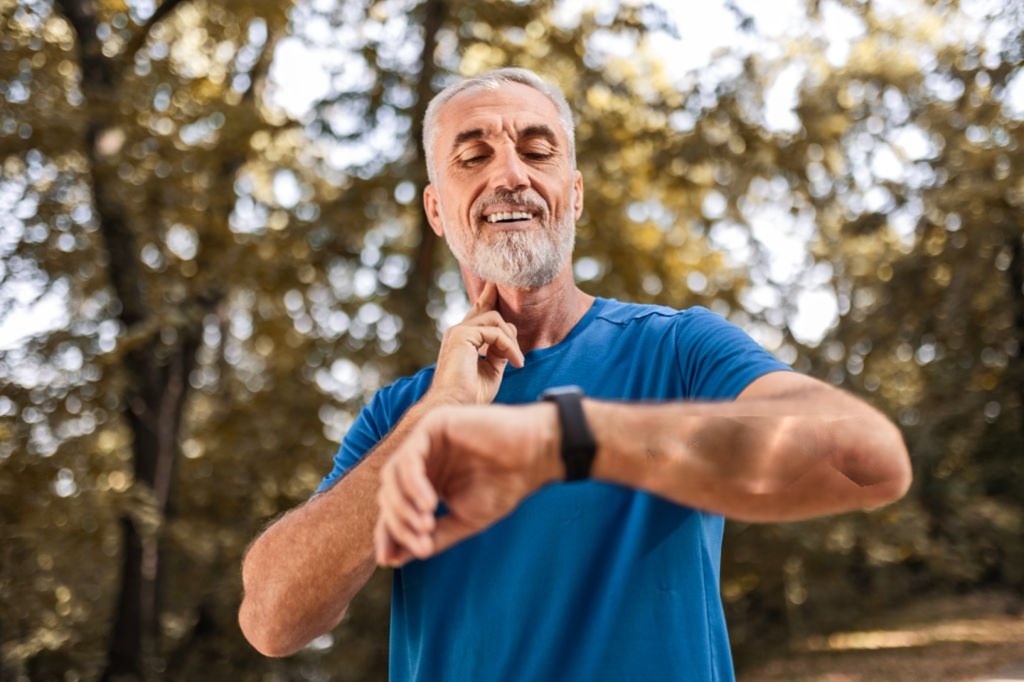
Running is strength training for your heart. Over time it can:
- Enlarge the left ventricle so you pump more blood per beat.
- Lower resting heart rate as efficiency improves.
- Grow capillary networks to deliver more oxygen to working muscles.
Fun fact: trained runners often sit below 50 bpm at rest.
3. Your Lungs: Training the Engine
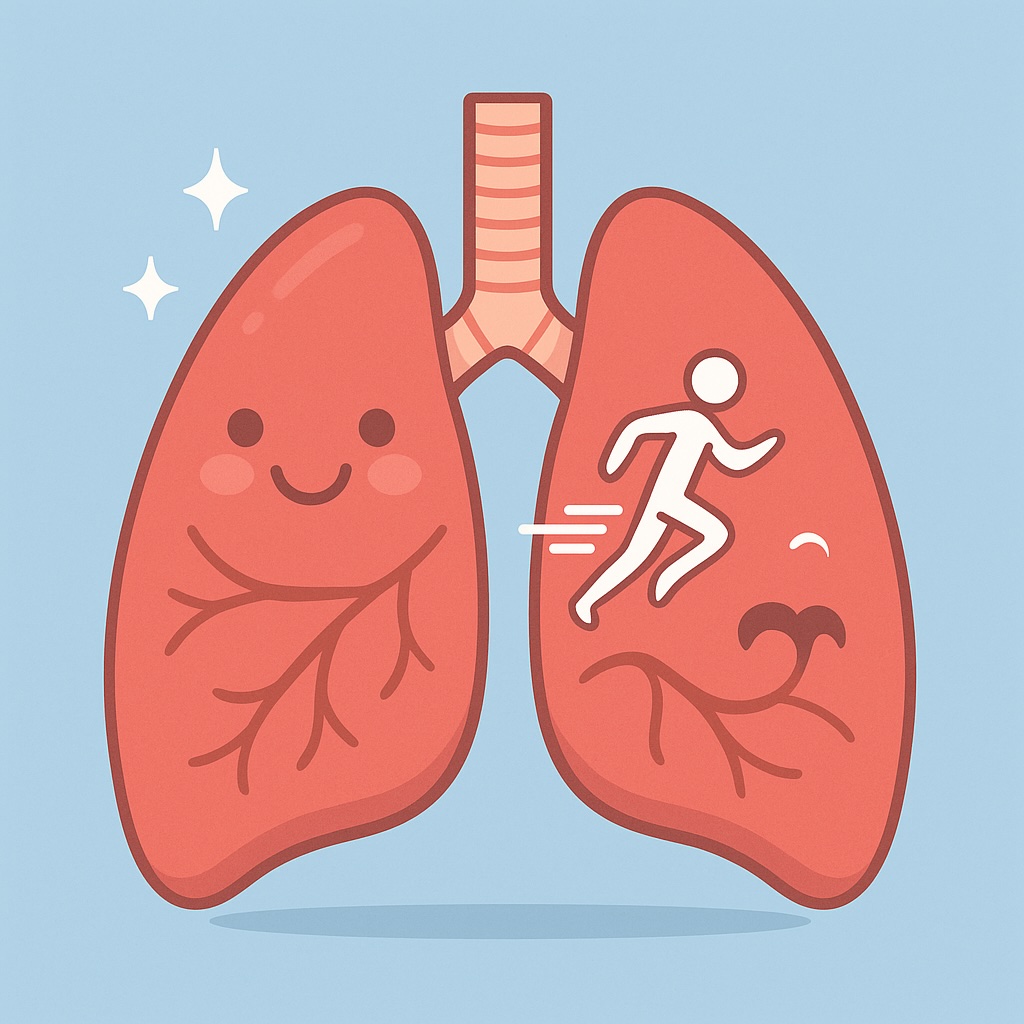
Your lungs do not grow, but your system gets better at using them:
- VO2 max can improve (how much oxygen you can use).
- The diaphragm and breathing muscles get stronger.
- Red blood cell count and hemoglobin can rise, moving more oxygen.
Stairs feel easier after a few consistent weeks because delivery and use improve.
4. Your Bones and Joints: Stress + Rest = Strength

Despite the “running ruins knees” myth, research suggests:
- Bone density can increase, especially in hips and spine.
- Cartilage health can improve through better nutrient flow with movement.
- Tendons and ligaments adapt and become more resilient with progressive loading.
Caveat: overload without recovery raises risk of shin splints, tendinopathy, and stress fractures. The cycle is stress, adapt, recover. Skip recovery and you break the cycle.
5. Your Hormones: A Metabolic Reset
Running nudges multiple hormones:
- Insulin sensitivity improves, helping blood sugar control.
- Cortisol spikes during hard sessions but baseline stress levels can drop with smart training.
- Testosterone and growth hormone rise after training, helping repair and adaptation.
Net effect: you help your endocrine system work younger.
6. Your Weight: More Than Calorie Burn
Running burns roughly 100 kcal per mile for many people, but the bigger wins are:
- EPOC (afterburn) keeps metabolism elevated post-run.
- Better muscle-to-fat ratio improves resting energy use.
- Your body gets better at using fat as fuel at steady efforts.
7. The Dark Side: What Can Go Wrong
Not everything is rosy:
- Overtraining can suppress immunity and drive fatigue.
- Poor form and repetitive overload can lead to IT band issues, shin splints, and Achilles pain.
- Nutrient gaps matter. Runners can dip in iron and electrolytes faster.
Simple insurance policy: strength training, sensible progression, recovery, and appropriate shoes.
FAQs
Does running ruin your knees?
Evidence suggests recreational running can be protective. Risk climbs with very high mileage, poor form, or rapid jumps in load.
How long until I notice changes?
Cardio improvements in about 2 to 4 weeks. Muscle and body composition changes in about 6 to 12 weeks.
Is running or walking better?
Running delivers faster cardio gains per minute. Walking is lower impact and great for recovery and longevity. Use both.
Final Word
Running is not just cardio. It is a full-body reset, from brain chemistry to bone strength. Done smartly, it makes you more resilient, more energetic, and yes, a little hooked on that post-run buzz.
What does running do to your body? It helps turn it into a better version of itself, one stride at a time.